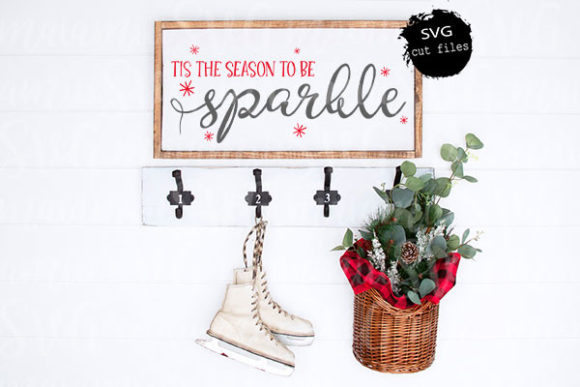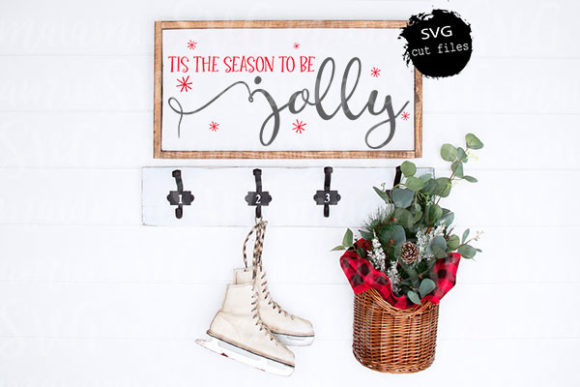
Tis the Season to Be Jolly Xmas Sign
A Festive First Impression
When I first opened the Tis the Season to Be Jolly, Xmas Sign embroidery file, I was immediately drawn to its classic holiday charm. The design feels warm and inviting, with a layout that’s both familiar and festive. It has that perfect balance of simplicity and detail—just enough to catch the eye without overwhelming the fabric.
The text is bold and legible, which makes it ideal for projects where readability matters. The overall mood is cheerful, making it a great fit for holiday-themed items like personalized gifts or boutique merchandise. I can already picture this design on a custom embroidered tote bag or even as an embroidered patch for a seasonal collection.
Real-Life Embroidery Performance
I tested the Tis the Season to Be Jolly, Xmas Sign on a few different materials to see how it would perform in real-life scenarios. On a medium-weight cotton fabric, the design stitched beautifully. The satin stitch outlines were crisp, and the fill stitches created a smooth, even texture. It looked especially nice on a sweatshirt, where the contrast between the white thread and dark fabric made the message pop.
For a baby item, like a onesie or a blanket, the design still held up well, though I would recommend using a lighter thread color for smaller garments to avoid overpowering the fabric. When I tried it on a tote bag, the stitching remained clean and professional, even after washing. This suggests it could be a solid choice for small shop products or Etsy listings focused on handmade holiday items.
The design also works well as a standalone applique. I used it on a pillow cover, and the result was charming and eye-catching. It’s a versatile option for a range of craft business needs—from personalized gifts to commercial embroidery projects.
Where to Use with Caution
While the Tis the Season to Be Jolly, Xmas Sign is quite adaptable, there are some situations where extra care is needed. For instance, when using it on small hoop sizes, the fine details might not stitch as cleanly. I noticed that the lettering slightly bled into the surrounding areas when I used a smaller hoop than recommended.
On textured fabrics or stretchy materials, I found that adding a proper stabilizer was essential to prevent puckering or distortion. Similarly, if you're planning to use this design on dark-colored fabric, selecting high-contrast thread colors will make a big difference in visibility and overall appeal.
For curved surfaces like caps or hats, the design may require some repositioning or resizing to ensure the text remains centered and readable. Also, if the project involves frequent washing, using a durable stabilizer and testing the design on scrap fabric first is a good idea.
Design Impact and Practical Value
The Tis the Season to Be Jolly, Xmas Sign brings a sense of nostalgia and joy to any project. Its visual appeal is strong, and it adds value to handmade products, especially those targeted at holiday markets. Customers are likely to recognize and appreciate the classic theme, which can enhance brand consistency and buyer engagement.
As an embroidery designer, I find that this design maintains a professional look across various applications. Whether it's for a personal project or a commercial product, it presents well and can elevate the finished product’s presentation. It also makes a great addition to digital embroidery files for craft businesses looking to expand their design assets.
One thing I appreciate is how it fits into a variety of contexts. From holiday gifts to boutique branding, it’s a flexible asset that can be adapted to suit different styles and audiences. However, I always recommend checking the stitch density and thread colors before finalizing any project, especially if you're planning to sell the finished product.
Embroidery Designer Notes
Before using the Tis the Season to Be Jolly, Xmas Sign in a real project, I suggest testing it on scrap fabric to see how it looks and behaves. Check the thread color contrast against your chosen fabric—this can dramatically affect the final outcome. Review the stitch density to ensure it doesn’t cause fabric strain or distortion.
Confirm the hoop size required for the design and always use the right stabilizer for your fabric type. Inspect small details closely, especially if you're working on a project that requires precision. Testing the design in black and white mockups can help you visualize how it will appear on different backgrounds.
If you’re an Etsy seller or running a small shop, make sure the design aligns with your brand and target audience. Confirm licensing terms before selling any finished items or digital products based on this design. Finally, remember that while this design is great for many uses, it’s always wise to consider the practicality of the project before committing to a full run.